industrial vs furniture casters can look similar in a product photo, but they are selected for different loads, duty cycles, floors and mounting structures. The safest comparison starts with the application data rather than labels such as “heavy duty” or “quiet.”
Qingdao Gleam Hardwares supplies swivel, rigid and braked caster configurations for distributors, equipment manufacturers and OEM projects.
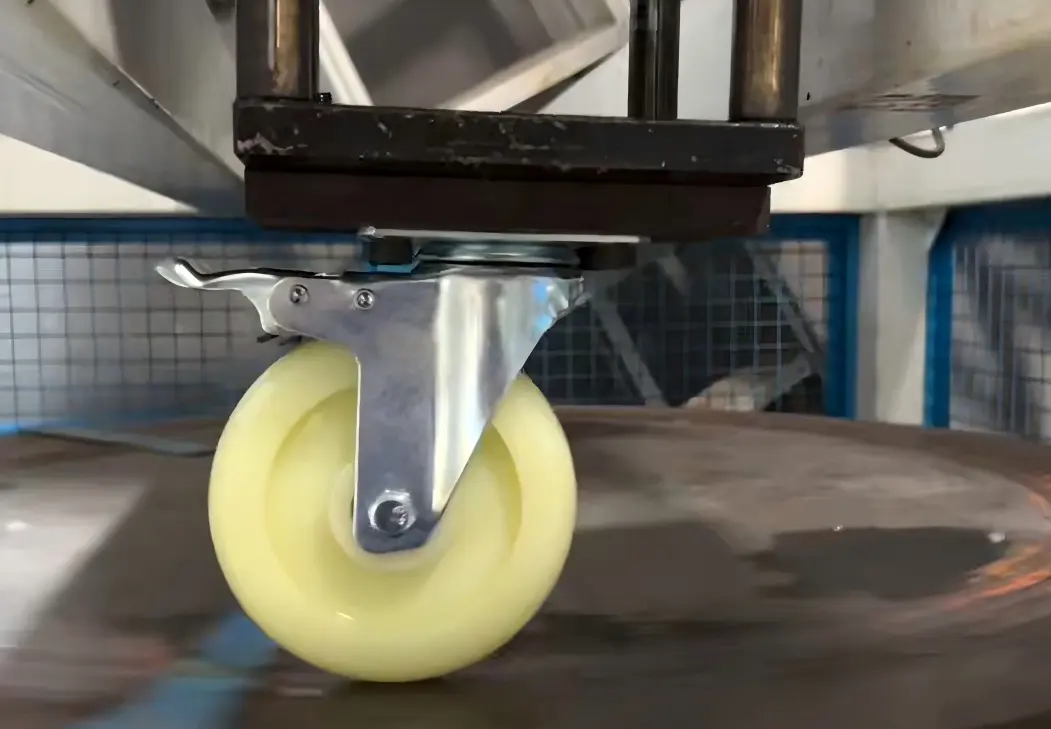
Industrial and Furniture Casters at a Glance
| Selection point | Industrial caster | Furniture caster |
|---|---|---|
| Typical application | Material-handling carts, racks, tool cabinets and mobile equipment | Chairs, cabinets, tables and light mobile furniture |
| Primary design inputs | Rated dynamic load, duty cycle, speed, floor condition, impacts and mounting strength | Floor protection, noise, compact size, appearance and normal indoor movement |
| Bracket and mount | Selected to match the equipment frame, bolt pattern and operating load | Often compact plate, stem or socket arrangements matched to the furniture structure |
| Wheel material | Chosen by load, floor, noise, chemicals, debris and temperature | Chosen mainly for floor contact, noise, appearance and maneuverability |
| Evidence to confirm | Model drawing, rated-load basis and order-specific inspection or test requirements | Dimensions, fit, rolling function, finish and floor-contact requirement |
Parameters Buyers Should Provide
- Total equipment weight plus the maximum transported load
- Number and layout of casters, including swivel, rigid and brake positions
- Required wheel diameter, overall height and available installation space
- Top-plate dimensions and bolt-hole pattern, or stem size and thread
- Floor type, joints, thresholds, debris, slope and any obstacles
- Movement frequency, travel distance, operating speed and indoor or outdoor use
- Noise, floor-marking, corrosion, chemical or temperature requirements
- Order quantity, packaging and OEM marking needs
How Wheel Material Changes Performance
| Material family | Why buyers consider it | What still needs checking |
|---|---|---|
| Rubber or TPR | Noise reduction and floor contact are often priorities | Rated load, rolling resistance, floor marking and environment |
| Polyurethane | A balance of load support, wear and floor contact may be required | Tread hardness, core, bearing, floor debris and duty cycle |
| Nylon or similar rigid material | Low deformation and easier rolling may be useful on suitable floors | Noise, floor damage risk, impacts and surface condition |
Material names alone do not determine a caster’s safe load. The complete wheel, bearing, bracket, swivel raceway and mounting structure must be evaluated as one assembly.
Selection Example: Warehouse Picking Trolley
For a picking trolley, the buyer should send the trolley weight, maximum payload, caster layout, floor condition, thresholds and daily movement pattern. The selection should use the rated dynamic load of the exact caster model with an allowance for uneven load distribution and floor impacts. A sample trolley trial can then check starting force, steering, brake access, noise and clearance before a production order.
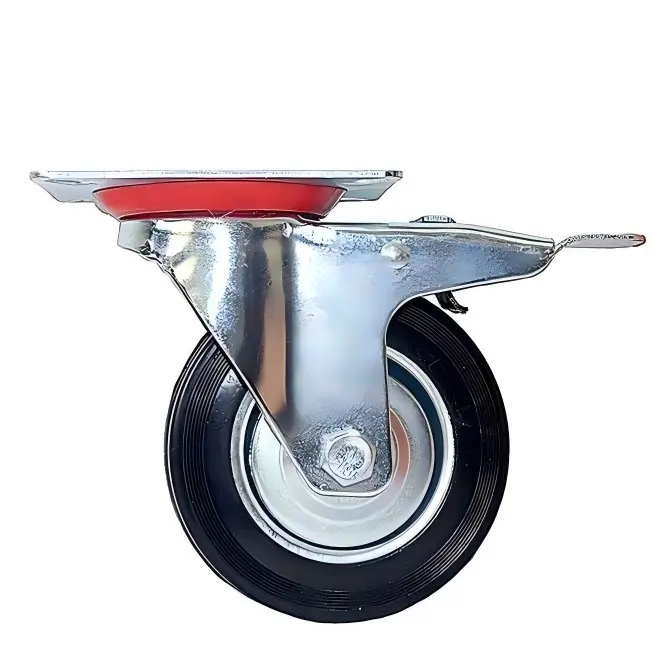
Inspection and Test Evidence
Agree the acceptance criteria before ordering. Depending on the model and application, the inspection file can include wheel diameter and tread width, overall height, top-plate and bolt-hole dimensions, swivel and rolling checks, brake-function checks, appearance records and pre-shipment photos. Load, endurance, impact or corrosion tests should use an agreed method, sample size and pass criterion; reports should relate to the quoted model rather than a generic claim.
Request a Model-Specific Recommendation
Send the application data, mounting drawing or marked photos, required quantity and destination. We will review the available configurations and identify any sample, tooling or test requirement before quotation.
See our caster manufacturer product page for available configurations and OEM enquiry details.
Frequently Asked Questions
Can I calculate caster capacity from the trolley weight alone?
No. Include the maximum payload and consider the caster layout, uneven floor contact, movement and impacts. Use the rating of the exact model.
Does a brake lock both the wheel and swivel?
Brake functions vary by model. Confirm whether the requirement is a wheel brake, directional lock or total lock.
Can an existing mounting plate be matched?
Send a drawing or marked measurements for the plate size, hole spacing, hole diameter, overall height and required load. Feasibility is confirmed before tooling or production.