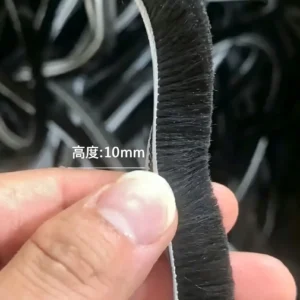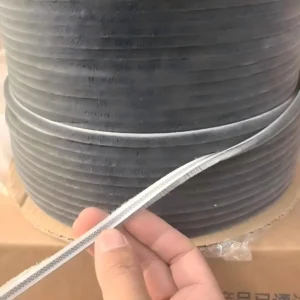
Window Seal Supplier for Aluminum Windows, Sliding Doors and OEM Profiles
Qingdao Gleam Hardwares supplies brush weatherstrips and custom sealing profiles for window and door manufacturers, distributors and project buyers. The correct model is selected from the profile groove, working clearance, installation method and environmental requirement rather than from a generic size list.
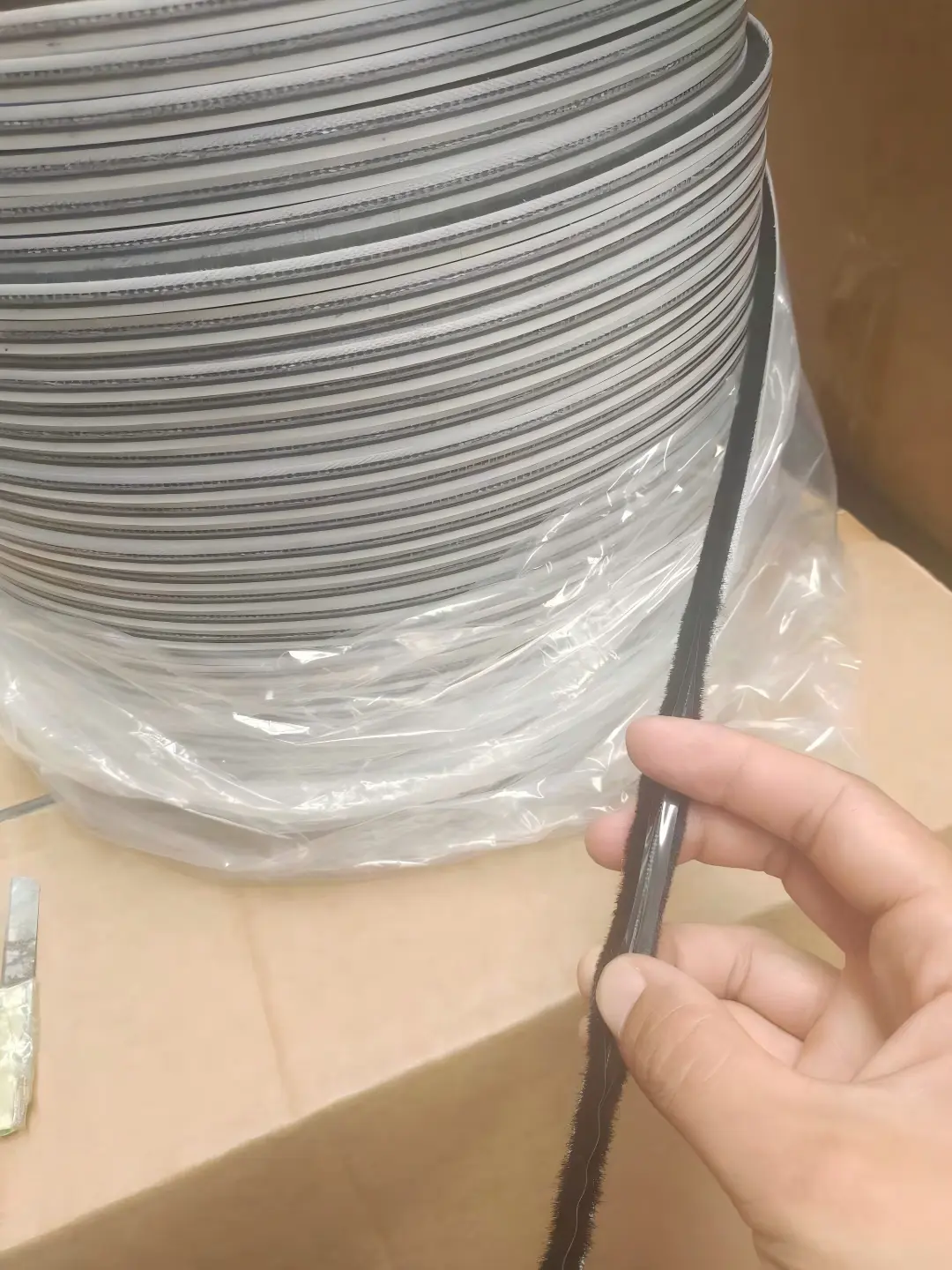
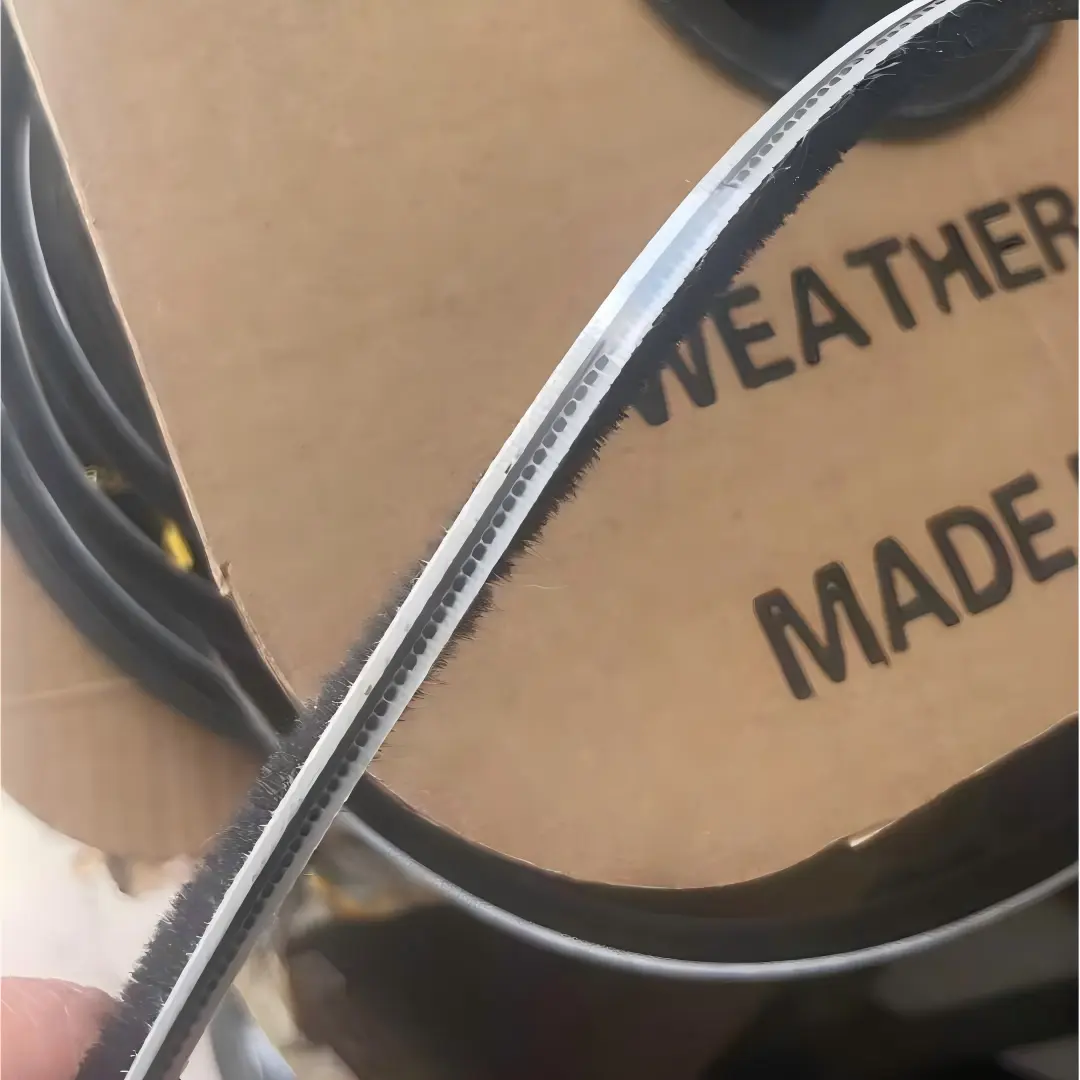
Parameters to Confirm Before Quotation
| Parameter | Available direction | What the buyer should provide |
|---|---|---|
| Seal type | Brush pile weatherstrip, compression seal or custom profile, depending on the application | Window or door type, installation position and existing seal sample |
| Profile fit | Standard model match or custom cross-section review | Groove width and depth, working clearance, insertion direction and profile drawing |
| Material | PP brush fiber, treated pile, PVC, EPDM or other order-specific material options | Indoor or outdoor use, UV, moisture, dust, temperature and project standard |
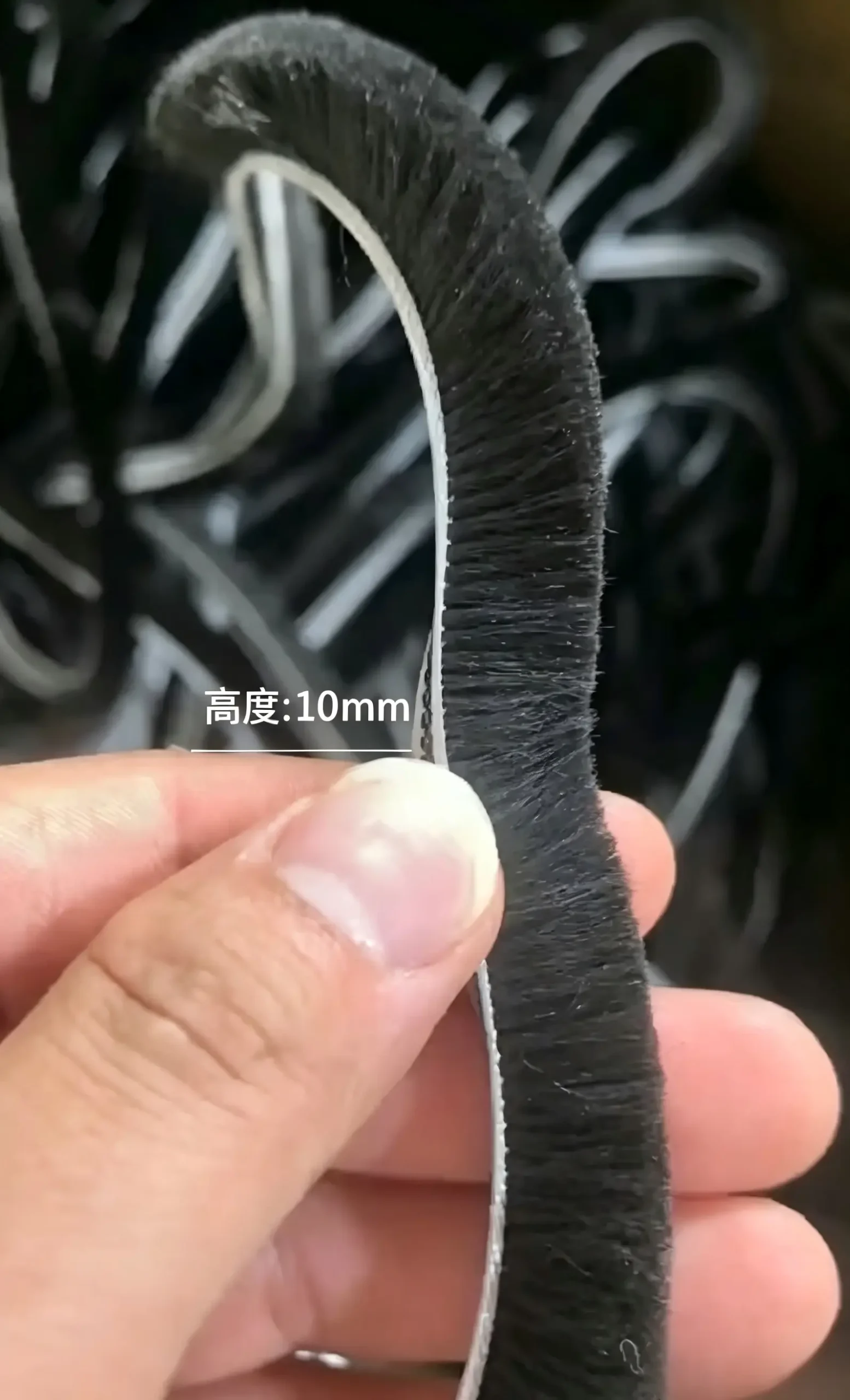
| Dimensions | Backing width, pile height, cross-section and roll length confirmed per model or drawing | Marked dimensions, tolerances and required contact or compression |
| Appearance and packing | Color, labels, roll or carton packing subject to order review | Color reference, label artwork, packing specification and destination |
| Customization | Private label or custom profile subject to sample, tooling and quantity review | CAD drawing or physical sample, acceptance criteria and estimated quantity |
Selection Example: Aluminum Sliding Window
For a sliding sash with air or dust leakage, measure the groove and the sash-to-frame clearance at several points. A brush pile should maintain light contact along the travel path without creating excessive drag. Approve a short sample in the actual aluminum profile before mass production. If the seal is compressed when the window closes instead of sliding against a surface, review a compression profile rather than increasing brush height.
Inspection Evidence Buyers Can Request
Inspection requirements are agreed on the quotation or approved drawing. Depending on the product and order, the inspection file can include backing or profile dimensions, pile-height or cross-section measurements, fit photos in the supplied profile or sample, appearance and fiber checks, roll-length or packaging checks, carton labels and pre-shipment photos.
Material properties, aging, UV, temperature or third-party testing should use the project’s specified method and acceptance criteria. Reports are supplied only when they relate to the quoted material and model; generic lifetime or resistance claims are not used as substitutes.
What to Send for a Fit Review
- Cross-section drawing or a physical sample of the profile and existing seal
- Groove width and depth, working clearance and installation photos
- Required seal type, material or project standard
- Color, roll length, packaging, quantity and destination
We will compare the information with available models and identify whether a sample, tooling or additional test is needed before quotation.
Frequently Asked Questions
Can a window seal be selected from a photo only?
A photo helps identify the seal type, but a drawing, measured sample or marked caliper photos are required to confirm fit.
Is a taller brush pile always better?
No. Excess pile height can increase sliding resistance or bend unevenly. The correct height depends on the measured clearance and contact.
Can dimensions, labels and roll lengths be customized?
Customization is reviewed against the drawing or sample, tooling requirement, quantity and packaging specification.
Related Window Hardware Solutions
Read our aluminum sliding-window seal selection guide and view our brush seal solutions for aluminum windows.