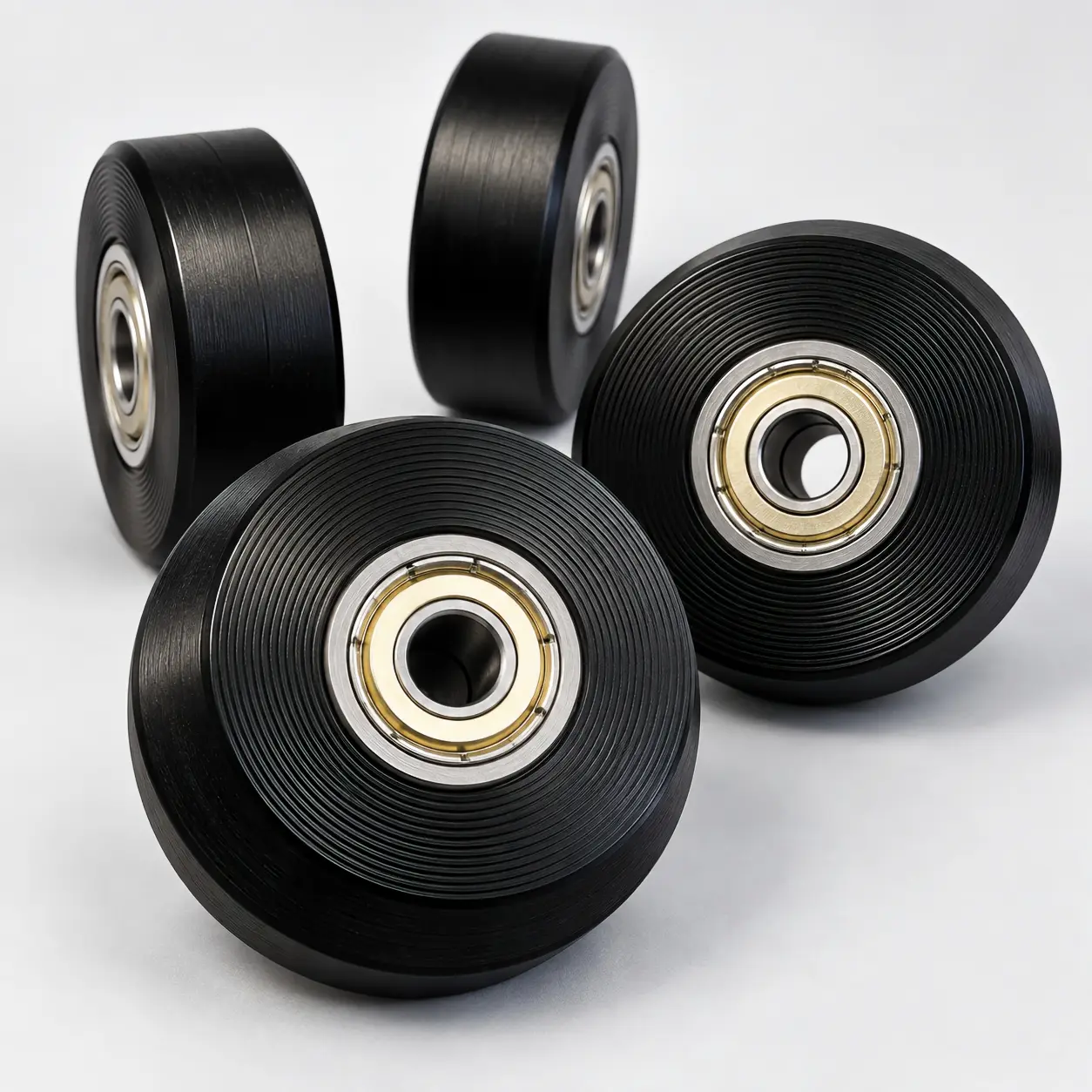
Metal core Pilates reformer wheels are selected when the buyer needs more support against long static dwell, higher carriage duty or repeated commercial use. This 58 mm programme is aimed at reformer manufacturers, spare-parts distributors and studio service networks that need a dimensionally controlled wheel rather than an all-plastic substitute.
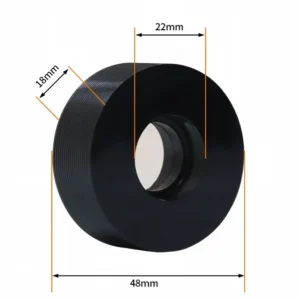
The supplied image shows an actual sample measuring approximately 57.66 mm with a caliper, which is commonly treated as a nominal 58 mm reference. Final production diameter, tolerance, width, core, bearing and load target are agreed from the buyer’s drawing and approved sample.
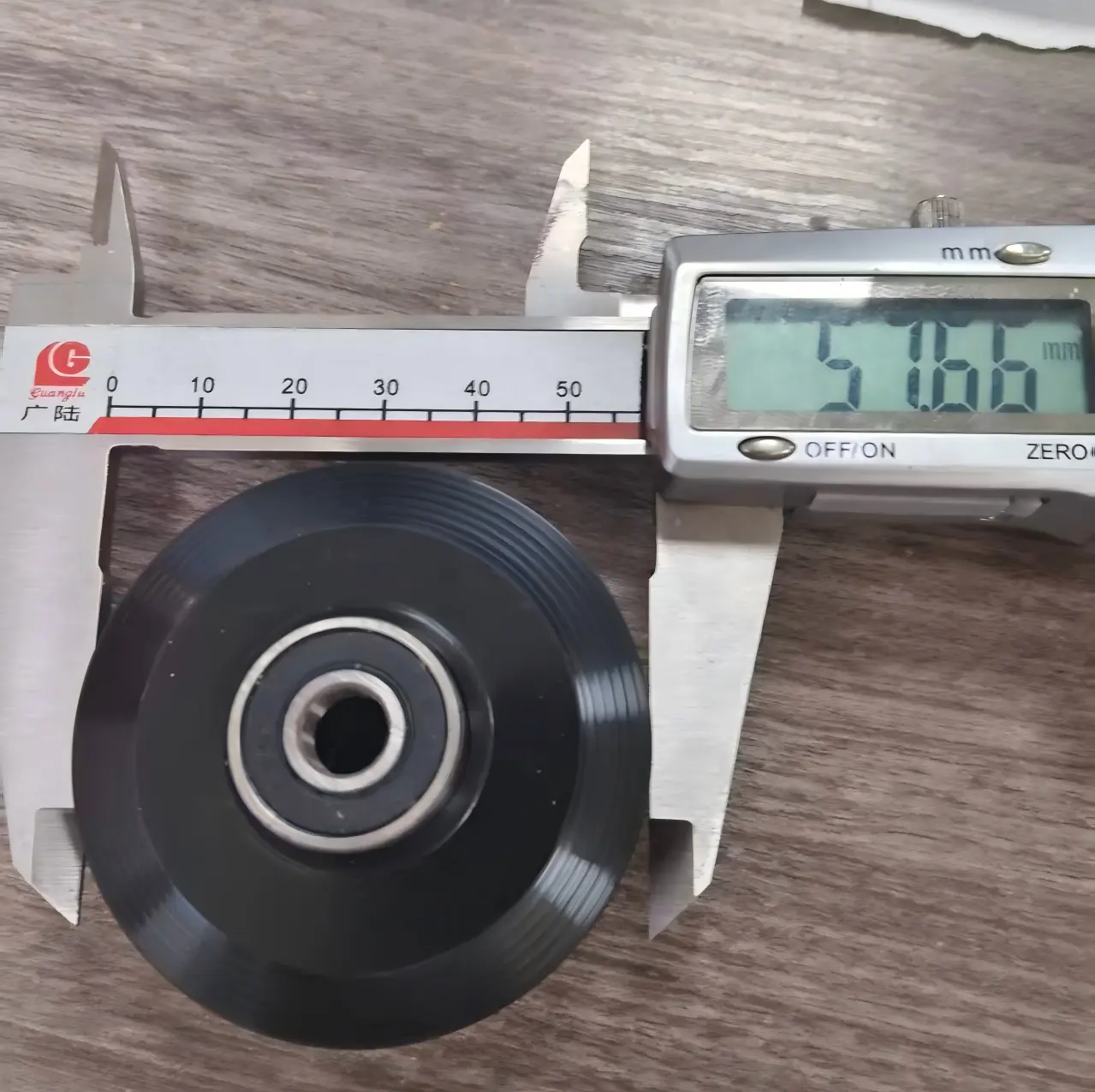
58mm Metal-Core Wheel Reference Specification
| Design item | Common project reference | Approval basis |
|---|---|---|
| Nominal diameter | 58 mm (sample photo approximately 57.66 mm) | Drawing tolerance and measurement method |
| Width | 20–24 mm reference range | Rail contact and frame clearance |
| Tread material | Cast polyurethane | Formula, hardness, bond and surface finish |
| Hardness | 90A or 92A Shore A reference | ASTM D2240 or agreed equivalent and tolerance |
| Core | Aluminum or steel metal core | Weight, corrosion protection, bond design and static duty |
| Bearing | 608ZZ / 608-2RS reference | Axle, spacer and installed stack |
| Preliminary wheel load | 80–120 kg per wheel | Final rating after complete wheel and carriage validation |
| Static-load evaluation | Buyer-defined dwell and recovery test | Load, time, temperature and residual-deformation limit |
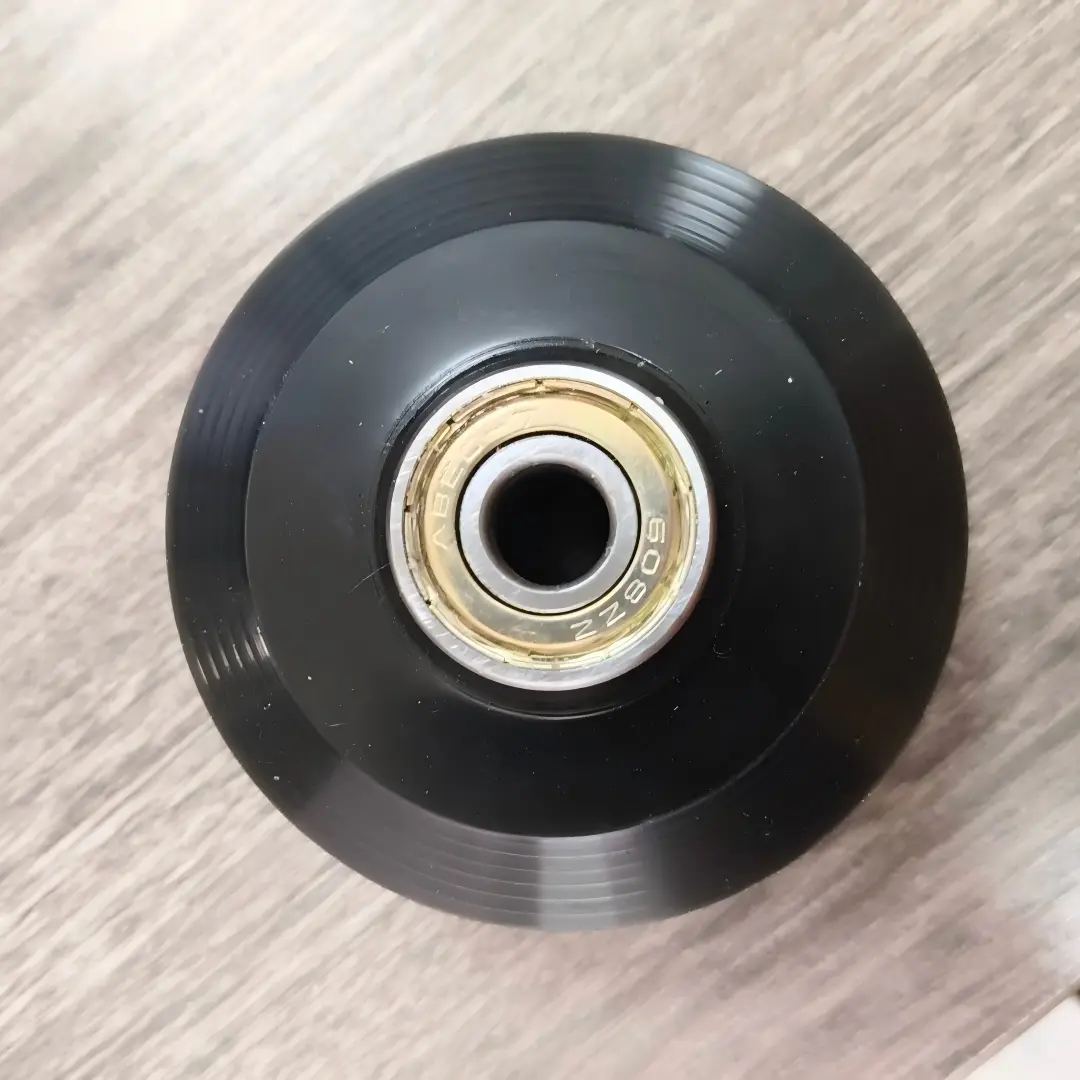
Why a Metal Core Can Improve Commercial Duty
A rigid core supports the polyurethane section and can help maintain the bearing-seat relationship under load. This is useful when a reformer remains loaded for long periods or when a commercial studio requires frequent carriage cycles. Aluminum reduces core weight and offers corrosion resistance in many indoor settings; steel can be considered where strength, geometry or cost points to that construction. The selected metal, coating and bond system must be defined for the project.
The metal core does not by itself determine wheel capacity. The PU thickness, core diameter, bearing, axle support, wheel count and load distribution control the assembly. Our preliminary 80–120 kg per-wheel reference is for enquiry planning only and is not a blanket equipment rating.
Hardness, Rebound and Compression Review
90A and 92A are practical harder-PU references when a buyer wants lower rolling resistance or better support than a softer compound may provide. Hardness can be measured using ASTM D2240 or an agreed equivalent. Rebound and compression behaviour are separate properties; one Shore A value does not prove either.
For a high-static-load programme, approve a complete wheel sample on the target rail. Record carriage load, number of wheels, dwell time, ambient temperature and recovery time. Inspect both permanent deformation and ride quality after the test.
B2B Value for Equipment and Spare-Parts Buyers
- Position a verified metal-core option above low-cost all-plastic replacement parts.
- Use hardness and static-load test records to make repeat-order discussions more objective.
- Offer nominal 58 mm service kits with bearing and model identification after fit approval.
- Reduce warranty disputes by documenting test conditions rather than using an unlimited anti-flat-spot claim.
OEM Details to Lock Before Production
Confirm the nominal and actual diameter, wheel width, tread profile, hub width, bearing seat, bearing code, axle, spacer, metal grade/coating, PU color and Shore A range. Add labeling, quantity per kit, barcode and carton requirements for distributor programmes. For repeat orders, retain an approved drawing, golden sample and batch inspection sheet.
Related Pilates Wheel Solutions and Guides
- 90A/92A PU Pilates carriage wheels
- silent bearing wheels for carriage systems
- 52mm replacement-wheel programme
- anti-flat-spot and wheel-noise guide
- replacement-wheel measurement guide
- Pilates wheel and pulley product hub
Frequently Asked Questions
Is 57.66mm the same as a 58mm wheel?
It can be a nominal 58 mm sample, but the acceptable production tolerance must be stated. Never infer fit from the rounded name alone.
Does a metal core guarantee no flat spots?
No. It can improve support, but PU formulation, geometry, load, temperature and dwell time still influence deformation.
Should I choose 90A or 92A?
Start with the ride feel, rail, load and existing sample. Test both constructions if the difference affects noise, comfort or rolling resistance.
Can the metal core be customized?
Core dimensions, metal choice, protection, bearing seat and PU bond design can be reviewed against the order quantity and performance target.
Develop a 58mm Metal-Core Reformer Wheel
Send the original wheel, rail and axle drawing, expected carriage load, wheel count, hardness preference, quantity and packaging plan for a technical quotation.